
SAFA GLOBAL VENTURES
Building Companies That Build a Better World
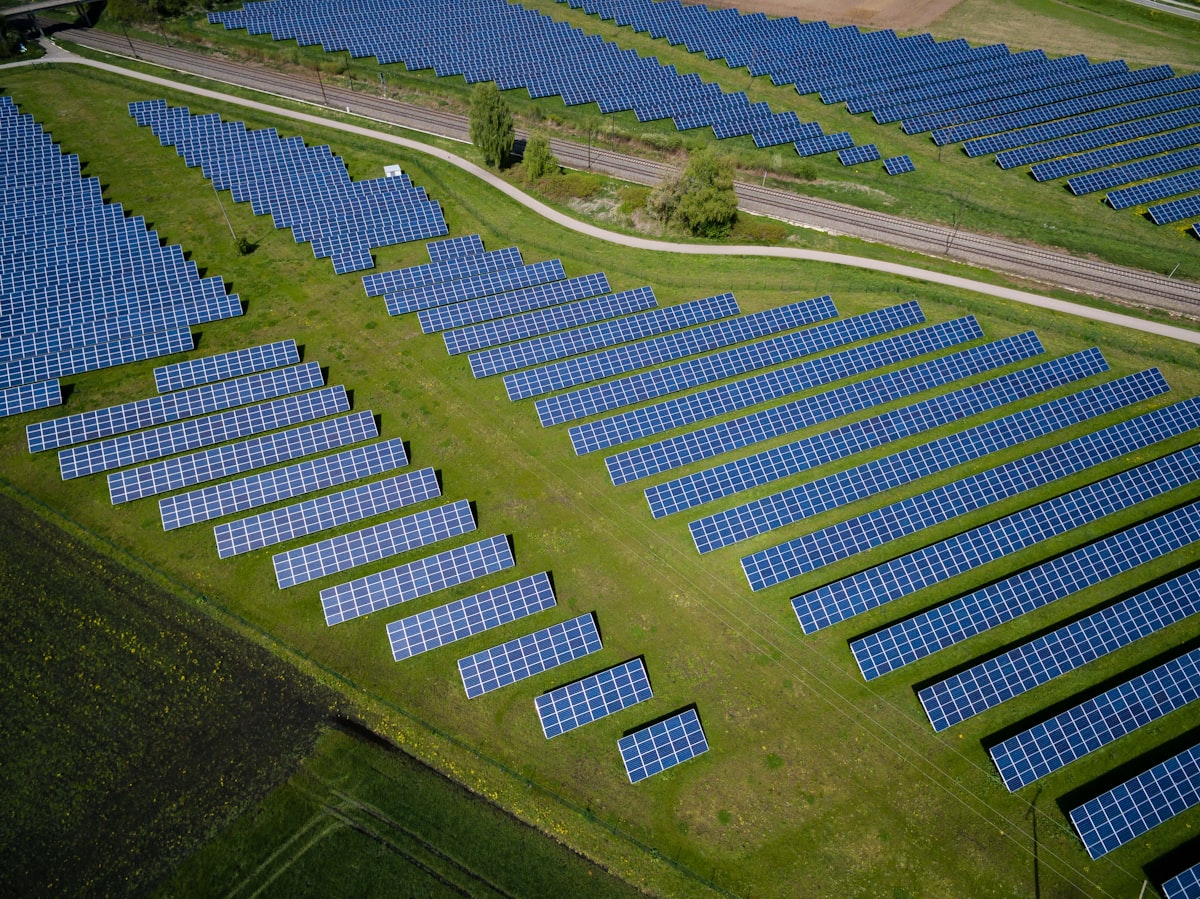
At Safa Global Ventures, we invest in companies that shape industries. But we also recognize that the companies we build today shape the world our children will inherit tomorrow. This is why sustainability is not a separate initiative at SGV—it is woven into the fabric of every investment decision, every partnership, and every company we help grow.
Our Sustainability Framework
Our approach to sustainability rests on three interconnected pillars that guide how we evaluate opportunities, support our portfolio companies, and measure success.
**Environmental Stewardship** begins with honest assessment. We prioritize investments in sectors that accelerate the global transition to sustainable infrastructure: renewable energy, clean logistics, circular commerce models, and resource-efficient technologies. Our wind energy infrastructure analysis, green hydrogen projects in North Africa, and sustainable logistics ventures demonstrate this commitment in action. But stewardship also means demanding environmental responsibility from traditional sectors. Every portfolio company, regardless of industry, must demonstrate measurable progress in reducing carbon intensity, minimizing waste, and protecting natural resources.
**Social Impact** recognizes that sustainable businesses create sustainable communities. We seek companies that provide quality employment, invest in workforce development, and contribute to economic opportunity in the regions where they operate. Our commerce platforms connect local producers to global markets. Our logistics ventures create skilled jobs in underserved regions. Our education-focused investments expand access to opportunity. We measure success not just in financial returns but in jobs created, skills developed, and communities strengthened.
**Governance Excellence** establishes the foundation for everything else. We demand transparency, ethical business practices, and long-term thinking from our portfolio companies. This means robust environmental, social, and governance reporting. It means compensation structures that reward sustainable value creation over short-term extraction. It means boards that reflect the diversity of markets served and stakeholders affected.
From Pledge to Practice
Commitments mean nothing without accountability. Here is how we translate sustainability principles into concrete action across our portfolio.
**Due Diligence Integration:** Every investment opportunity undergoes comprehensive ESG screening before capital deployment. We assess carbon footprint, supply chain sustainability, labor practices, governance structures, and community impact. Companies with significant environmental or social red flags do not receive funding, regardless of financial projections. This is not idealism—it is risk management. Unsustainable practices create unsustainable businesses.
**Active Partnership:** We do not simply write checks and hope for the best. Our teams work alongside portfolio company leadership to implement sustainable practices: energy efficiency programs that reduce costs while cutting emissions, waste reduction initiatives that improve margins while minimizing environmental impact, supply chain transparency that mitigates risk while ensuring ethical sourcing. We share best practices across the portfolio, creating a community of learning where wins in one company benefit others.
**Measurement and Reporting:** We track and report portfolio-wide sustainability metrics annually. Carbon emissions intensity. Energy consumption. Waste diversion rates. Gender diversity in leadership. Workforce safety records. Community investment. These are not vanity metrics—they are performance indicators as important as revenue growth or EBITDA margins. We make this data available to limited partners because capital deserves to know what it is building.
**Sector-Specific Standards:** Sustainability looks different across industries. Our wind energy investments prioritize local content requirements and community benefit agreements. Our logistics ventures focus on fleet electrification and route optimization. Our commerce platforms emphasize circular business models and reduced packaging waste. Our real estate developments target LEED certification and green building standards. We set sector-specific targets that push portfolio companies toward industry leadership, not just compliance.
The Business Case for Sustainability
Some view sustainability as a constraint on returns. We see it as a driver of returns. The evidence is overwhelming and growing stronger every quarter.
**Regulatory Risk:** Governments worldwide are implementing carbon pricing, emissions standards, and ESG disclosure requirements. Companies that anticipate and exceed these regulations avoid costly retrofits and compliance crises. Those that lag face regulatory barriers, stranded assets, and obsolescence. We position our portfolio companies ahead of the regulatory curve.
**Talent Attraction:** The best people increasingly choose employers based on values, not just compensation. Companies with strong sustainability credentials recruit more effectively, retain talent longer, and build more engaged workforces. This matters especially in tight labor markets and specialized skill areas where competitive advantage depends on attracting top talent.
**Customer Preference:** Consumer and business customers are voting with their wallets. Sustainable products command premium pricing. Sustainable supply chains win competitive tenders. Companies that ignore this shift are ceding market share to more forward-thinking competitors. Our portfolio companies capture this premium.
**Capital Access:** Sustainable companies access capital on better terms. ESG-focused funds control trillions in assets. Banks offer preferential lending rates to companies with strong sustainability performance. Insurance costs decline with improved risk profiles. Our portfolio companies benefit from this capital advantage.
**Operational Efficiency:** Sustainability programs often reveal operational improvements that boost margins. Energy efficiency reduces utility costs. Waste reduction cuts disposal expenses and material costs. Process optimization improves productivity. Water conservation lowers operating costs. These are not externalities—they are material impacts on profitability.
**Resilience:** Sustainable businesses build resilience against shocks. Diversified energy sources buffer against fossil fuel volatility. Local supply chains reduce exposure to global disruptions. Strong community relationships provide social license to operate during crises. Companies built for long-term sustainability weather short-term turbulence more effectively.
Our Commitments Going Forward
As we grow SGV's portfolio across global markets, we commit to several specific sustainability targets.
By 2028, we will achieve carbon neutrality across our direct operations and support portfolio companies in setting science-based emissions reduction targets aligned with 1.5°C warming scenarios. This is not an offset-based neutrality claim—it means actual emissions reductions through operational changes, renewable energy adoption, and efficiency improvements.
By 2030, we will ensure that 100% of our portfolio companies publish annual sustainability reports aligned with GRI or SASB standards. Transparency drives accountability. Our companies will measure, report, and improve their environmental and social performance systematically.
We will maintain gender diversity targets of at least 30% women in senior leadership roles across our portfolio by 2027, increasing to 40% by 2030. We will also ensure board representation reflects the geographic and demographic diversity of markets served.
We will dedicate at least 20% of investment capital to businesses that directly advance United Nations Sustainable Development Goals, with particular focus on affordable clean energy (SDG 7), sustainable cities and communities (SDG 11), responsible consumption and production (SDG 12), and climate action (SDG 13).
We will require all portfolio companies to conduct annual supply chain sustainability assessments and implement corrective action plans for any identified risks related to labor practices, environmental impact, or ethical concerns.
Invitation to Partnership
Sustainability is not a solo endeavor. It requires collaboration across investors, entrepreneurs, communities, and institutions.
We invite entrepreneurs building sustainable businesses to connect with SGV. If you are solving real problems in ways that create economic value while advancing environmental and social progress, we want to hear from you. We bring not just capital but expertise, networks, and shared commitment to building companies that endure.
We invite our limited partners to hold us accountable. Review our sustainability reports. Challenge our assumptions. Push us to go further and faster. Your capital deserves to build a world worth inheriting.
We invite other investors to join this journey. Share best practices. Collaborate on due diligence. Co-invest in companies too large for any single fund. The scale of challenges we face demands collective action, not competition over sustainability credentials.
Most importantly, we invite honesty about the path ahead. Sustainability is a journey, not a destination. We will make mistakes. We will fall short of targets. We will encounter trade-offs between financial returns and environmental impact that have no easy answers. What matters is that we face these challenges with transparency, learn from failures, and continuously improve.
The Only Path Forward
Climate change, resource depletion, and social inequality are not future risks—they are present realities reshaping markets today. Companies ignoring these forces will not survive the next decade, let alone the next generation. Investors funding those companies are allocating capital to obsolescence.
At SGV, we choose a different path. We build companies that solve these challenges rather than exacerbate them. We generate returns by creating businesses that make the world measurably better. We prove that profit and purpose are not opposites but complements.
This is not altruism. This is not charity. This is sophisticated capital allocation in a world where sustainability determines which companies thrive and which disappear.
The only question is whether you are building for tomorrow or clinging to yesterday. At Safa Global Ventures, we have made our choice.
---
*Safa Global Ventures is committed to transparent reporting of our sustainability performance. Our annual ESG report will be published in Q2 2026, detailing portfolio-wide metrics, progress against targets, and lessons learned.*